Acupuncture and Traditional Chinese Medicine (TCM) are time-honored, holistic approaches aimed at maintaining balance and harmony within the body, particularly in the circulation of qi (pronounced “chee”) and blood. Qi, regarded as the body’s vital energy or life force, travels through a network of pathways known as meridians. When the flow of qi and blood is disrupted, imbalances occur, which may manifest as pain, illness, or various other health concerns.
Oriental Medical diagnostics analyze symptoms and categorize conditions based on each individual’s unique constitution, enabling a tailored and harmonized treatment experience. Unlike conventional medicine, which often focuses on symptomatic relief, TCM seeks to address the root causes of imbalance, supporting long-term health and wellness.
The body is constantly adapting to internal and external changes—whether due to injury, environmental shifts, illness, chronic conditions, stress, poor sleep, or lifestyle factors. These changes can lead to imbalances: an excess or deficiency of bodily fluids, overactive or underactive nerve signals, or temperature discrepancies within tissues. Acupuncture works to restore this delicate balance, helping the body return to its optimal state of health.
During an acupuncture session, fine, sterile needles are gently inserted at specific points along the meridians to stimulate the body’s natural healing mechanisms. This stimulation activates nerves, muscles, and connective tissues, encouraging improved circulation and the release of the body’s natural pain-relieving chemicals, such as endorphins. Most treatments are performed while the patient is comfortably lying down, allowing for relaxation and ease. After a predetermined time, typically between 20 to 40 minutes, the needles are removed, concluding the session.
In some cases, additional methods are employed to enhance treatment effectiveness. These may include:
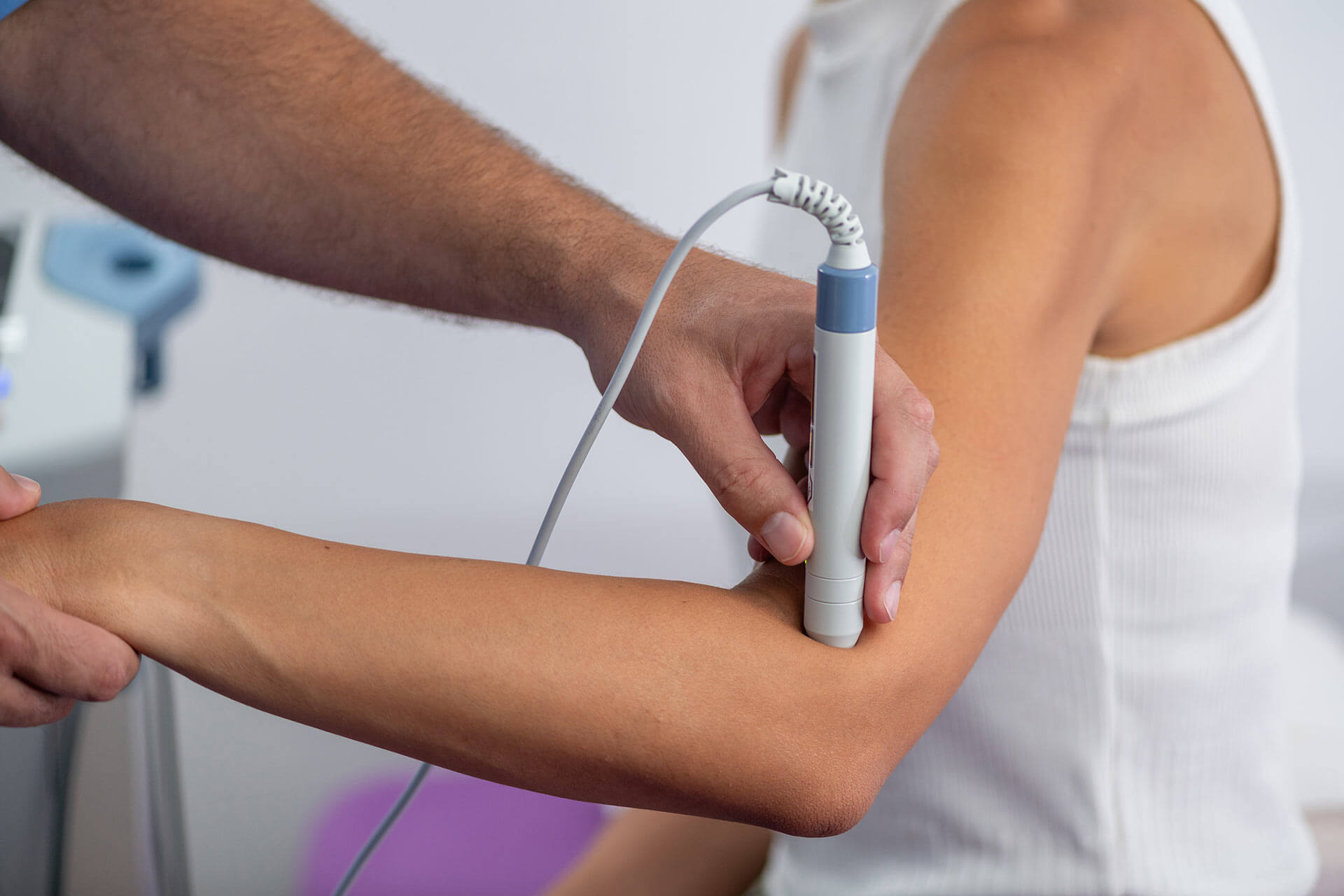
- Electroacupuncture: Gentle electrical stimulation is applied to the needles to intensify the therapeutic effects, often used for pain management and muscle recovery.
- Heat Therapy (Moxibustion or Heat Lamps): Targeted warmth is applied to promote blood flow and alleviate stiffness or cold sensations in specific areas.
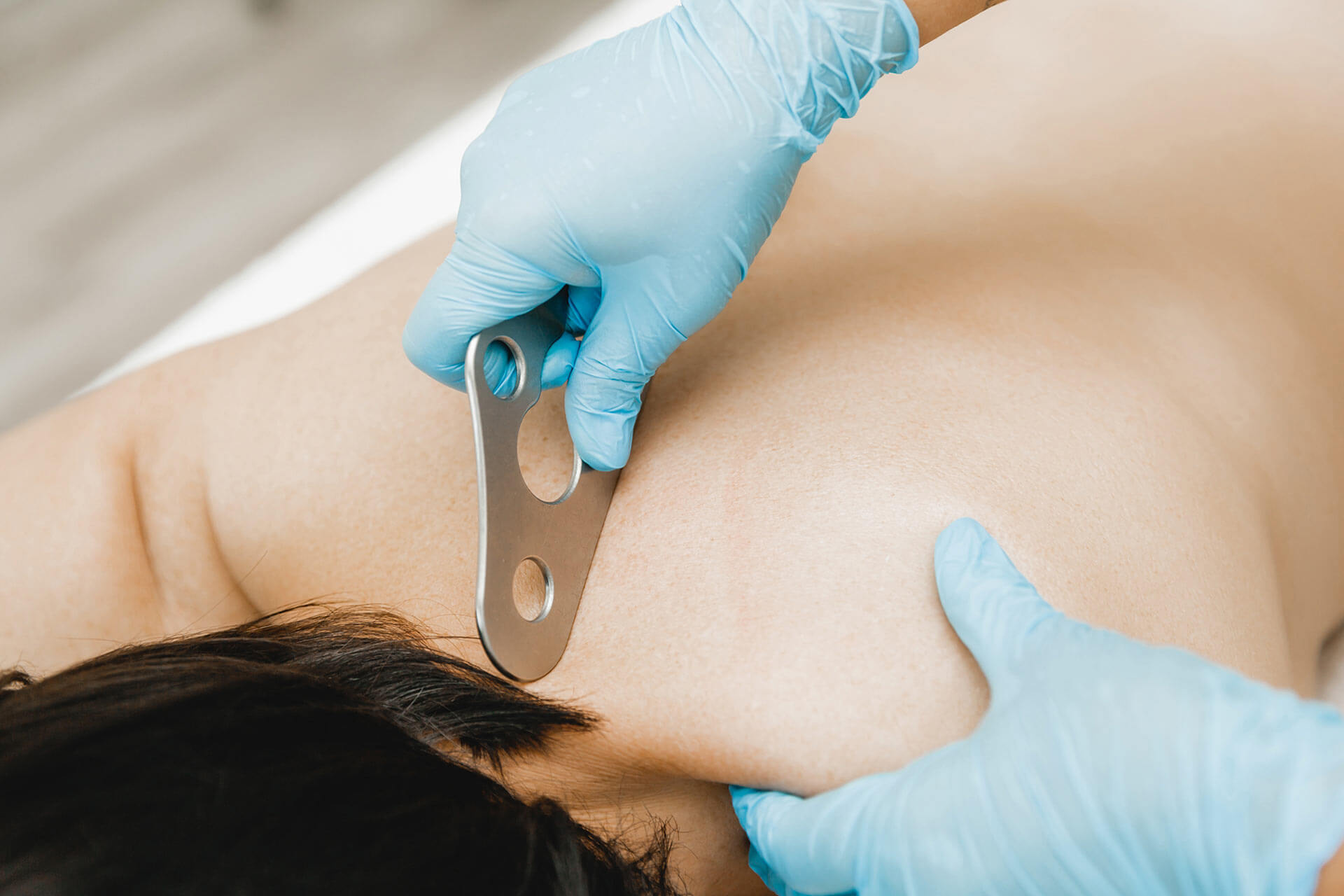
- Cupping and Gua Sha: Complementary therapies that may be incorporated to further improve circulation and reduce muscle tension.
Acupuncture is widely recognized for its safety and efficacy in treating a range of conditions, including chronic pain, migraines, stress, digestive issues, and hormonal imbalances. By harnessing the body’s intrinsic ability to heal, acupuncture offers a holistic, non-invasive option for those seeking to improve their overall well-being.